Common legal papers including powers of attorney, real estate deeds, and estate planning documents like wills or trusts require a notary signature to be legally binding. Understanding what documents need to be notarized is essential for Utah families handling affidavits, vehicle title transfers, or minor travel consent forms to ensure their validity and prevent fraud.
Navigating a stack of legal paperwork often feels like deciphering a complex puzzle, especially when your family’s financial security or travel plans are on the line. One missing signature verification can halt a home closing or invalidate a power of attorney, leading to costly delays and unnecessary stress. Ensuring you have the correct documents notarized is the critical final step in making your intentions legally binding under Utah law. In this comprehensive guide, we clarify the specific requirements for estate planning, real estate transactions, and family travel consents. You will discover exactly which forms need an official seal, learn about the rare exceptions where a notary cannot intervene, and find a practical checklist to prepare for your next appointment. Whether you are in Salt Lake City or the surrounding valley, this expertise ensures your vital records are handled with professional precision.
Understanding Notarization Requirements in Utah
At its core, notarization is a fraud-prevention process that assures the parties of a transaction that a document is authentic and can be trusted. When a notary public performs an official act, they are verifying the identity of the signers, ensuring those individuals are signing under their own free will, and confirming they understand the contents of the document.
A common question for residents in the Salt Lake Valley is: Why does a document need to be notarized? In Utah, the notary acts as an impartial, neutral witness. By placing an official seal on a paper, the notary provides a layer of protection against identity theft and forgery. This is particularly vital in transactions where significant assets or legal rights are at stake.
While individuals may choose to have almost any signature witnessed for added security, Utah state law mandates notarization for specific documents to be legally binding. Without a proper acknowledgement or jurat, documents like property deeds cannot be recorded with the county, and certain legal forms may be rejected by the courts. When you contact a Utah notary, you are securing a professional who understands these state-specific requirements. Identifying what documents need to be notarized is the first step in ensuring your legal and financial affairs are handled with the necessary level of scrutiny and authority.
Essential Estate Planning and Healthcare Documents

Securing a family’s future often begins with a Durable Power of Attorney. Under Utah Code 75A-2-105, a power of attorney is only considered genuinely executed if the principal signs it in the presence of a notary public. It is important to note that according to Utah Code 75A-2-104, these documents are durable by default, meaning the authority granted continues even if the signer becomes incapacitated. Without a proper notary seal, financial institutions may refuse to honor the agent's authority, creating significant hurdles during a crisis.
Beyond powers of attorney, Utah residents frequently utilize mobile notary services for Living Trusts and Wills. While a Will might only require witnesses under certain circumstances, a self-proving affidavit attached to the Will must be notarized to simplify the probate process. Living Trusts also require a notary to facilitate the eventual transfer of assets into the trust. For medical decisions, an Advance Healthcare Directive ensures a person’s wishes are followed when they cannot speak for themselves, and having this document properly acknowledged prevents disputes regarding its validity.
Time is often of the essence with these papers. Our team regularly assists families during urgent situations by traveling to care facilities in the Salt Lake Valley or hospitals like Intermountain Health. These environments require a notary who is comfortable navigating sensitive medical settings while maintaining strict adherence to state law. Knowing what documents need to be notarized before an emergency occurs allows for a smoother transition of care and authority when every minute counts.
Real Estate and Property Transaction Paperwork

Navigating the Salt Lake Valley housing market involves a significant volume of paperwork that requires formal authentication. For property to change hands or for a lien to be established, specific instruments must be recorded with the County Recorder’s office in Salt Lake County or Utah County. A notary public is essential for this process; these offices will reject documents that lack a proper acknowledgment or jurat.
Warranty Deeds and Quitclaim Deeds are two of the most common forms requiring a notary seal. These documents facilitate the legal transfer of ownership, and without a verified signature, the chain of title could be compromised. Similarly, lenders for refinances and Home Equity Lines of Credit (HELOCs) mandate notarized signatures on Mortgages and Closing Disclosures. This verification ensures the person encumbering the property is indeed the legal owner.
Because many real estate transactions happen outside of traditional bank hours, our mobile notary services often facilitate these signings at kitchen tables or offices throughout the valley. Understanding what documents need to be notarized during a closing prevents delays in funding and recording, keeping your property transaction on schedule. By bringing the necessary legal authority directly to the signer, we ensure that every deed and mortgage is ready for the public record immediately.
Family Law and Travel Consent Forms

Families navigating major life transitions often encounter paperwork that requires verification to protect the interests of children and guardians. For parents preparing for international trips out of Salt Lake City International Airport, a Parental Travel Consent form is a critical document. Border agents and airlines often require a notarized letter when a minor is traveling with only one parent or a legal guardian to prevent international child abduction.
A common question from local parents is: what documents need to be notarized for passport applications? While the passport book itself is a federal document that does not receive a notary stamp, Form DS-3053 (Statement of Consent) must be notarized if one parent is unable to appear in person at the passport agency. This form acts as a sworn statement of permission and is strictly scrutinized by the U.S. Department of State.
In the realm of domestic family law, adoption papers and name change petitions frequently require a notary’s seal before they can be filed in Utah courts. These documents involve significant changes to legal identity and family structure, making the neutral witnessing of a notary essential. Determining what documents need to be notarized for domestic court filings is essential for a smooth legal process. Our mobile notary services offer a discreet way to handle these sensitive matters, allowing you to contact a Utah notary to visit your home during evening or weekend hours when family schedules are most flexible.
Financial and Business Legal Documents
Beyond family matters, the corporate landscape in the Salt Lake Valley relies heavily on authenticated signatures to maintain operational integrity. Commercial Leases and Employment Contracts often require a notary to ensure the signers have the legal authority to bind their organizations to specific terms. When filing Articles of Incorporation or complex partnership agreements, an official seal provides a necessary layer of verification for state and financial institutions.
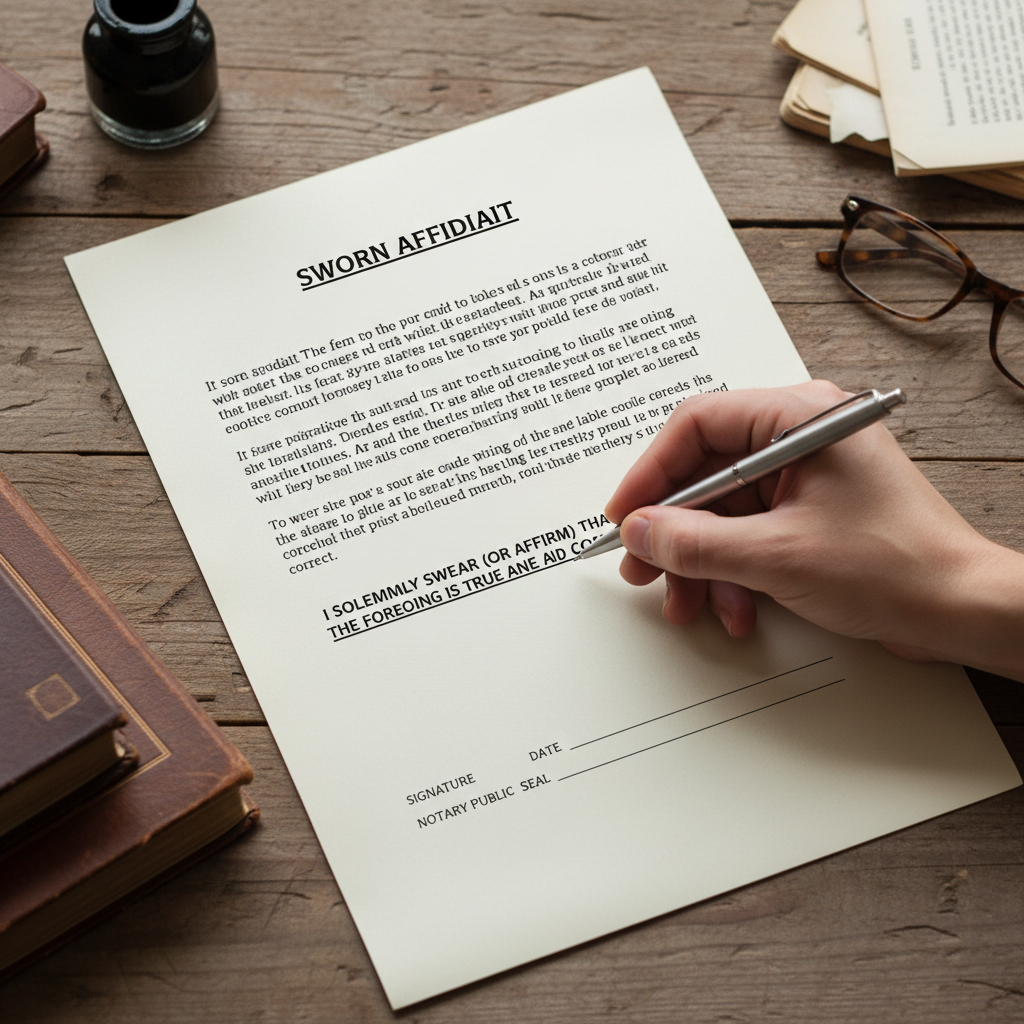
One of the most frequent questions from corporate clients involves identifying exactly what documents need to be notarized to be admissible in court or for administrative filings. Affidavits and Sworn Statements fall squarely into this category. Because these documents represent testimony given under penalty of perjury, a notary must formally administer an oath or affirmation before the signer applies their signature.
For local small businesses in South Jordan or Draper, time is a finite resource. Utilizing mobile notary services allows executives and managers to finalize critical paperwork without leaving their desks. You can contact a Utah notary to visit your office, ensuring that business remains efficient while meeting all legal standards.
What Documents Can a Notary Not Notarize?
While identifying what documents need to be notarized is essential for business and family matters, it is equally important to understand the limits of a notary public's authority in Utah. A common misconception involves vital records. A notary cannot notarize a birth, marriage, or death certificate. Because these are government-issued documents, only the state or county registrar can provide certified copies. If you need a certified copy of a birth certificate for a passport application, you must contact the Utah Department of Health and Human Services rather than a notary.
Additionally, Utah law prohibits a notary from acting in cases of a conflict of interest. We cannot notarize a document if we are named as a party to the transaction or if we have a direct financial or beneficial interest in the outcome. Beyond these ethical boundaries, a notary public is strictly prohibited from providing legal advice, a restriction known as the Unauthorized Practice of Law (UPL). We cannot explain the legal effects of a document or advise you on which form to choose. When you contact a Utah notary, our role is to remain a neutral witness, ensuring the integrity of the signing process without overstepping into legal counsel. Those seeking mobile notary services should have their documents selected and understood before the appointment to ensure a compliant and valid notarization.
A Checklist to Prepare for Your Notary Appointment
Preparing for a successful signing requires more than just identifying what documents need to be notarized. To ensure your appointment is efficient and legally sound, follow these specific steps before the notary arrives.
Do not sign the document yet. A notary must witness the actual act of signing to verify that it is performed voluntarily and by the correct individual. Pre-signed documents may be rejected.
Ensure all pages are present. Even if a page does not require a signature, the notary must confirm the entire document is intact to prevent fraudulent insertions later.
Gather all required signers. Every person whose signature requires notarization must be physically present.
Have valid government-issued photo ID ready. Utah law requires signers to be identified through satisfactory evidence. A current Utah Driver’s License, U.S. Passport, or a state-issued identification card is necessary.
For those scheduling mobile notary services in Bluffdale or Herriman, choosing a well-lit area with a flat surface, such as a dining table, helps the notary review the fine print and complete the journal entries quickly. If you have questions about identification requirements or want to learn more about our notary public, please contact a Utah notary before your appointment to avoid any delays.
Why Choose a 24 Hour Mobile Notary in the Salt Lake Valley?

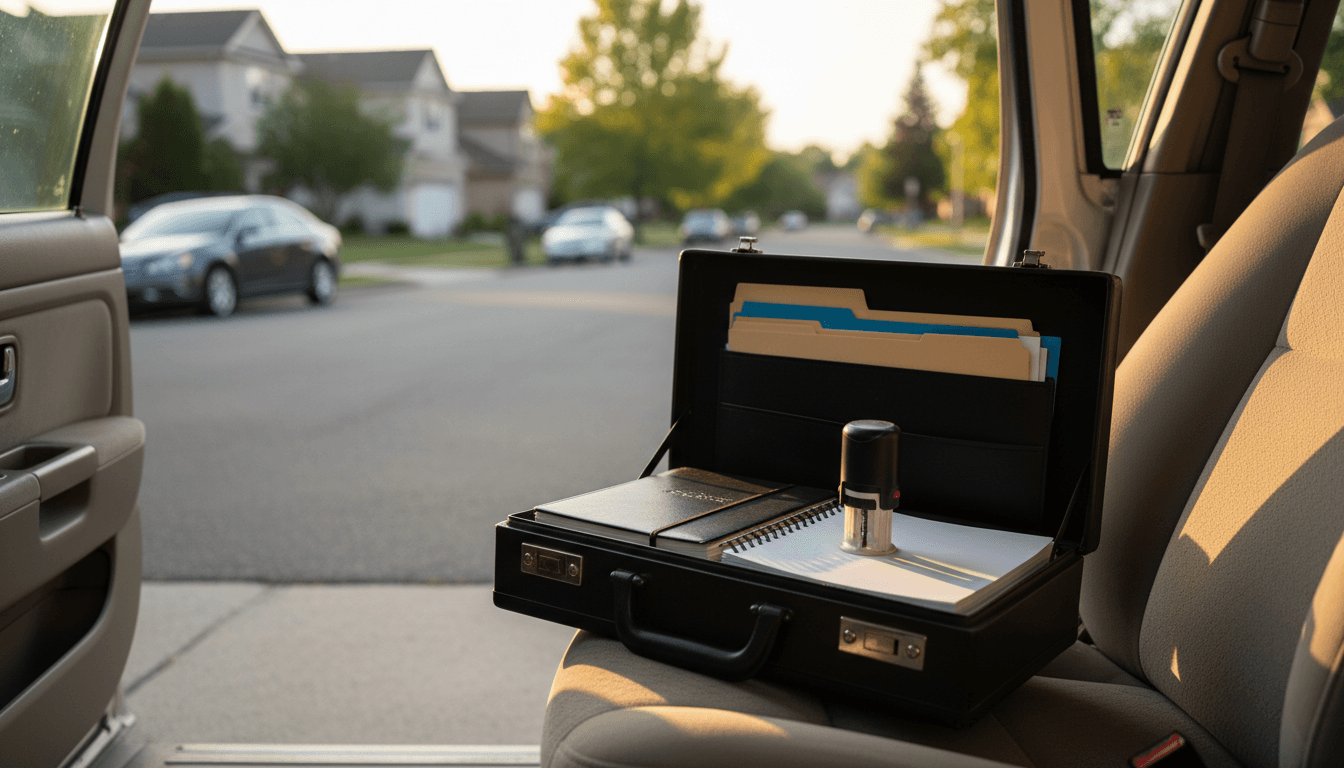
Legal emergencies and tight deadlines rarely align with traditional bank hours. For residents in West Jordan, Sandy, and Lehi, finding time to visit a physical office during the workday is often impossible. Our mobile notary services eliminate the need for travel by bringing the official stamp, journal, and state license directly to your home, office, or hospital bedside.
This level of accessibility is vital when you realize late at night exactly what documents need to be notarized for an early morning deadline. By choosing a 24/7 professional, you ensure that urgent affidavits or property forms are completed accurately without disrupting your schedule. You can contact a Utah notary at any hour to secure reliable, on-site authentication. To learn more about our notary public, reach out whenever the need for an impartial witness arises.